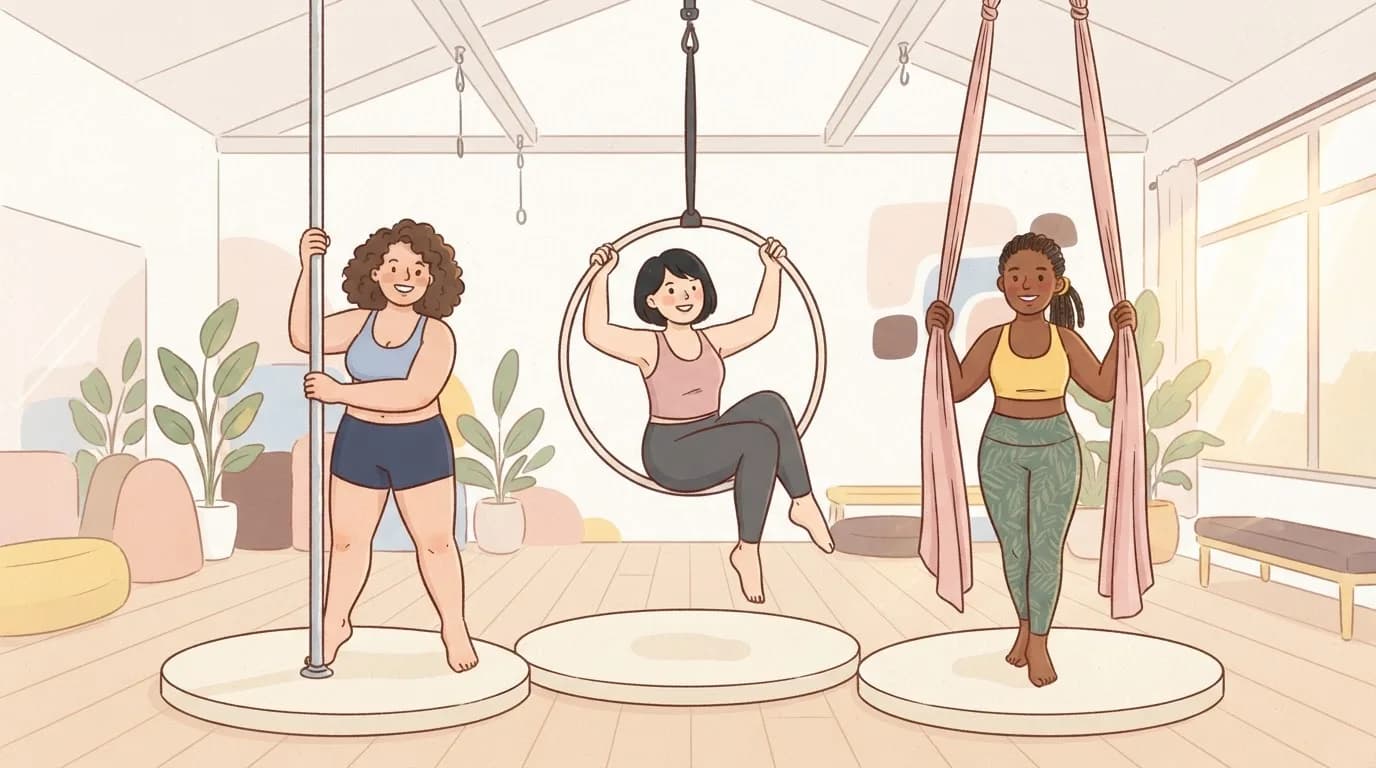
The short version
- Pole is usually hardest on the wrist joint, because it combines gripping with pushing through a bent-back wrist and twisting in handsprings.
- Silks are hardest on grip endurance and forearms, and hoop sits in between with long hangs and beats on a narrow bar.
- In pole and in aerial the shoulder is injured more often than the wrist, and most aerial injuries come from repetitive use.
- Prepare for pole with floor-based wrist extension work, for hoop with active hangs, and for silks with towel hangs and finger extensions.
- If you cross-train, count your grip-heavy days together and put a rest or lighter day after your hardest session.
Pole is usually the hardest of the three on the wrist joint itself, because it's the only one where you regularly push through a bent-back wrist and twist it under your weight, on top of all the gripping. Silks are the hardest on grip and forearms, because climbs mean long sets of squeezing fabric, and hoop sits somewhere in between, with a lot of hanging and pulling on a narrow bar. In all three the shoulder gets hurt more often than the wrist, and how quickly you build up matters more than which apparatus you choose.
I teach pole, but a lot of our customers fly on hoop and silks too, and plenty of people do all three in the same week. So this is a side-by-side look at what each one asks of your hands, wrists and shoulders, and how to get your body ready for whichever one you love.
How do pole, hoop and silks load your wrists?
All three are grip sports, so the muscles that close your hand do a lot of work in every class. Those muscles sit in your forearm and pull on tendons that cross the front of the wrist, which is why a hard grip session can leave the whole area feeling tired. What changes between the apparatus is the position the wrist is in while it works, and whether it ever has to push as well as pull.
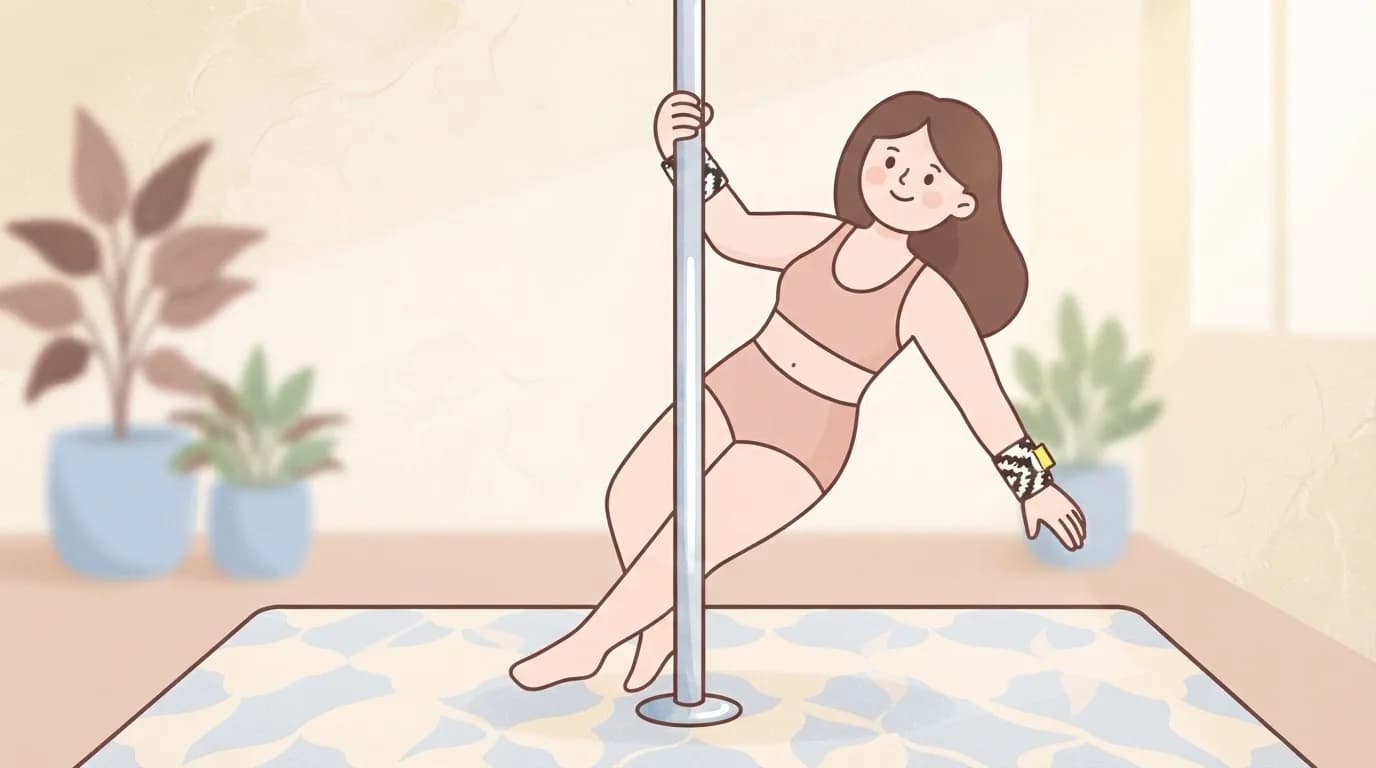
Pole
On the pole you hang, but you also push. In a handspring, a shoulder mount or a split-grip invert your bottom hand presses into the pole with the wrist bent back, and on the floor every handstand, push-up and kneeling slide puts your weight through the same position. Handsprings in twisted grip also bend the wrist sideways towards the little finger while the forearm is turned, so pole asks the wrist to cope with pushing, pulling and twisting, often in the same combo.
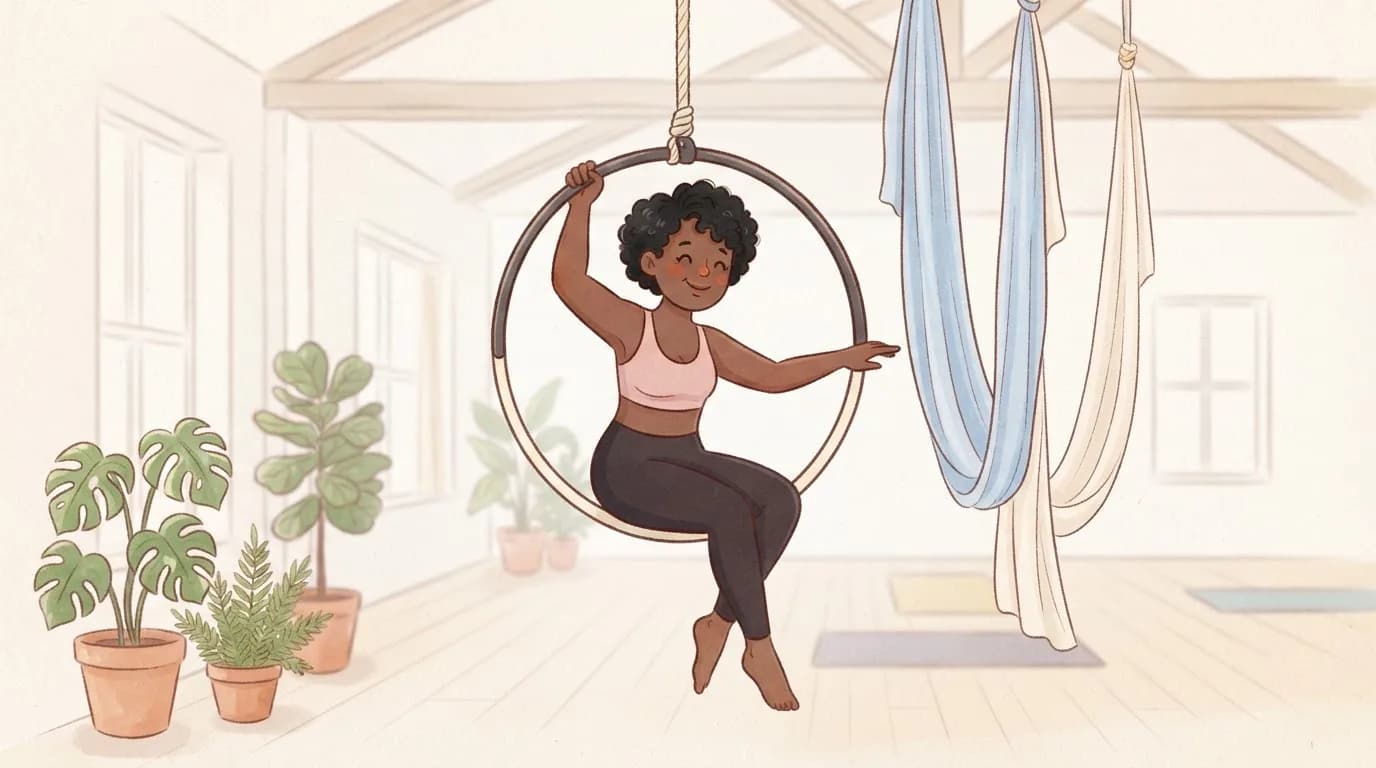
Aerial hoop
On the hoop you mostly hang and pull. You hold a fairly narrow taped bar or the curve of the hoop, and the wrist often sits bent forwards or sideways while you hang from it. Mounts need a strong pull, and beats, where you swing to build momentum, add a jolt to your grip at the end of every swing. Sitting and balancing positions give the hands a rest, but getting into them usually costs a few seconds of hard gripping first.
Aerial silks
Silks are the most grip-hungry of the three. Climbs are long sets of pulling with fabric squeezed in your fists, and it's common for beginners to come down with forearms so pumped they can barely open their hands. The wrist itself rarely bends back under your weight, but some wraps and locks wind the fabric around the wrist, which loads it from a different angle and can rub the skin.
Which is hardest on your wrists? A side-by-side comparison
This is a rough guide based on what each apparatus usually involves, and your own experience will depend on your teacher, your syllabus and how your body is built.
| What the wrist has to do | Pole | Aerial hoop | Aerial silks |
|---|---|---|---|
| Hold your body weight by gripping | A lot, in spins, holds and climbs | A lot, in hangs, mounts and beats | The most, in climbs and long sequences |
| Push with the wrist bent back | Often, in handsprings, shoulder mounts and floorwork | Now and then, in some balances | Rarely |
| Twist under load | Often, especially twisted-grip handsprings | Sometimes, when you turn in a hang | Sometimes, in wrist wraps and locks |
| Grip endurance | Moderate, with short efforts | High, with long hangs | Very high, with long climbs |
| Friction on skin | Inner arms, knees and thighs | Palms, backs of knees, hips | Palms, wrists, feet and wherever the fabric wraps |
| What usually complains first | The top or pinky side of the wrist, and the shoulders | Forearms, palms and shoulders | Forearms, the inside of the elbow and the thumb side of the wrist |
If your wrists hurt when they bend back under weight, pole will probably bother them more than the aerial apparatus. If your problem is grip fatigue, an ache on the inside of the elbow or thumb-side pain when you squeeze, silks and hoop are more likely to be the trigger.
What does the research say?
There isn't a study that compares pole, hoop and silks head to head, so the honest answer is that we have pieces of the picture. In a large online survey of pole dancers, the wrist came second only to the shoulder as the most commonly injured area (Lee and colleagues, 2020). In a year-long study of circus artists in the USA, aerial disciplines had higher injury rates than ground acrobatics, the shoulder was again the most common site, and the wrist, hand and forearm together made up a smaller share, with about two thirds of all injuries coming from repetitive use rather than a single accident (Greenspan and Stuckey, 2023).
The overlap in those findings is useful, because it suggests that for every apparatus the biggest risk is doing too much of the same thing too soon. Tendons adapt more slowly than muscles (Mersmann and colleagues, 2017), so you can feel strong enough for a new move weeks before your wrists and elbows are ready for lots of repetitions of it.
How do you prepare your wrists for each one?
Every apparatus needs the same basics, which are a proper warm-up, gradual progression and rest days, and our 10-minute wrist warm-up for pole and aerial covers the warm-up part. On top of that, each one has its own weak spot to train.
Getting ready for pole
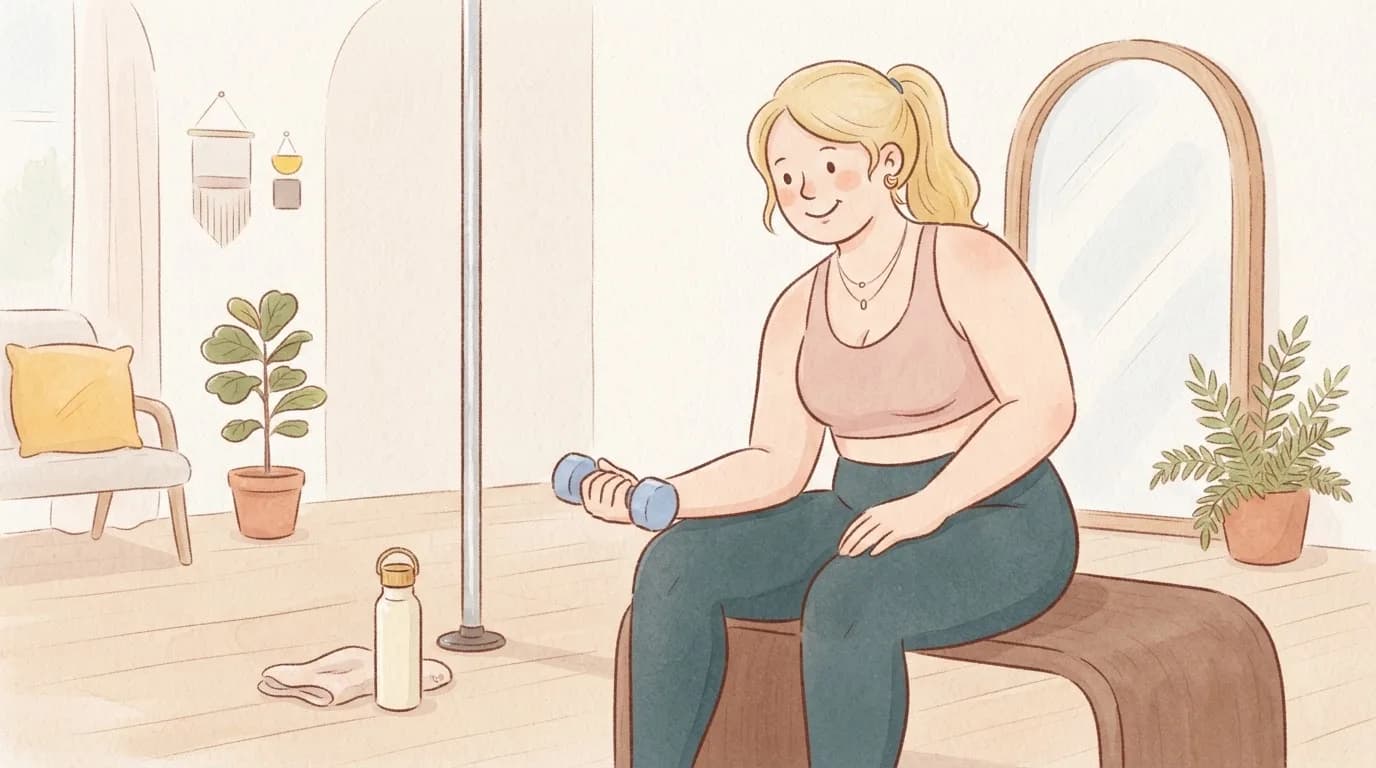
Pole needs wrists that are comfortable bearing weight while bent back, so build that tolerance on the floor before you need it on the pole. Gentle rocking on all fours, then kneeling push-ups and short holds in a high plank, done a few times a week, teach the wrist to accept that position. Forearm rotations with a light dumbbell help with the twisting, and if handsprings are where it hurts, our comparison of twisted grip and cup grip explains why the grip you choose changes the load.
Getting ready for hoop
Hoop needs shoulders that stay engaged while you hang, so the joint isn't just dangling off your grip. Active hangs, where you draw your shoulders gently down away from your ears, and slow scapular pull-ups are the best preparation. Keep your wrist in a fairly straight line with your forearm when you hang, and stop beats while your grip still feels fresh.
Getting ready for silks
Silks need grip endurance more than anything else. Towel hangs, where you hold a towel looped over a bar and lean back with your feet on the floor, are the closest thing to silks at home. Finger extensions against a rubber band balance out all that squeezing, and proper rests between climbs matter more than any exercise. Our wrist care guide for aerial hoop and silks goes deeper into grip technique in the air.
Does cross-training pole and aerial help your wrists?
It can, because the three apparatus fill in each other's gaps. Silks build the grip endurance that helps you hold on longer on the pole, and pole builds the pushing strength and wrist extension that aerial work rarely trains. The catch is that all three are grip-heavy, so doing pole on Monday, silks on Tuesday and hoop on Wednesday gives your forearms no time to recover between them.
If you train more than one apparatus, count your grip-heavy days as one total rather than per sport, put a rest or lighter day between the hardest sessions, and add a new class only when your wrists have felt happy for a couple of weeks. A short conditioning session two or three times a week, on days you're not in class, helps your joints keep up with your enthusiasm.
- Wrist circles and finger stretches, 1 minute. Easy and loose, just to get things moving.
- Kneeling wrist rocks, 2 sets of 10. On all fours, rock slowly forward over your hands and back. You should feel a stretch at the front of the wrist, never a pinch on top.
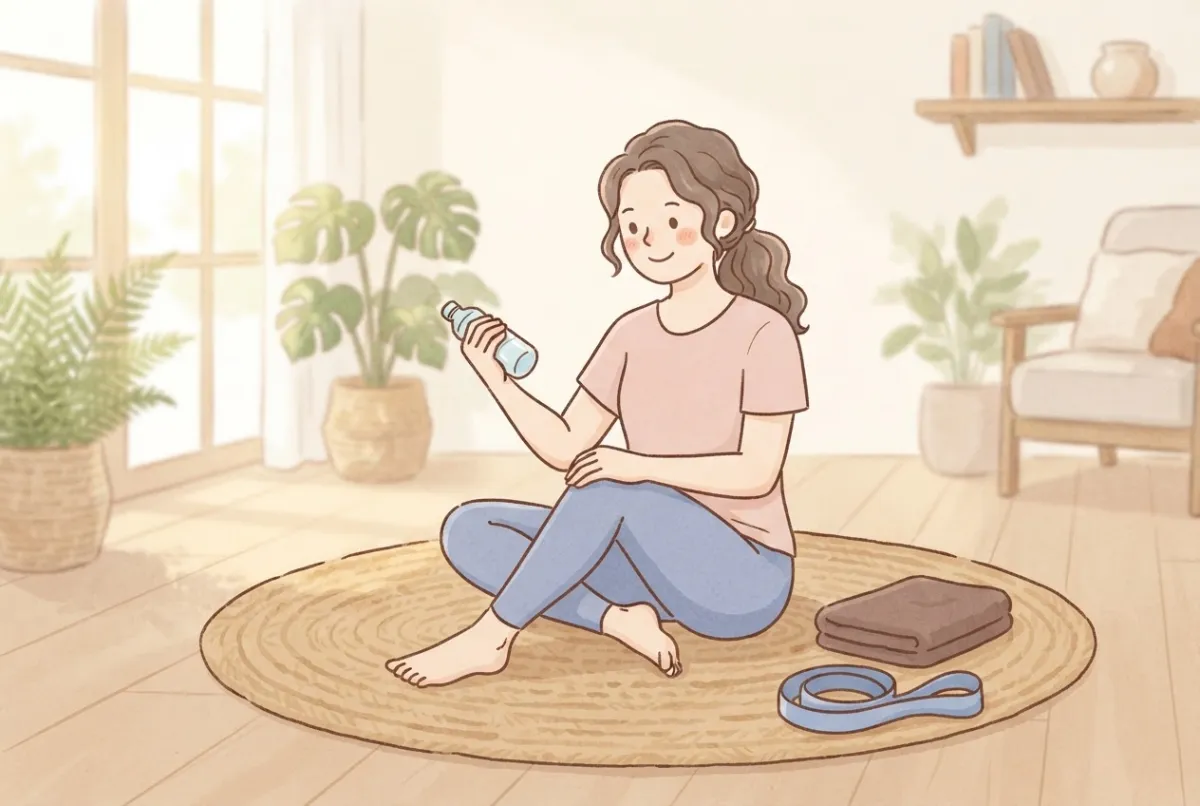
- Wrist curls and reverse curls, 2 sets of 12 each. Use a light dumbbell or a full water bottle, resting your forearm on your knee. The last few reps should feel like work but stay smooth.
- Forearm rotations, 2 sets of 10 each way. Hold a hammer or a light dumbbell by one end and slowly turn your palm up and down.
- Finger extensions with a rubber band, 2 sets of 20. Open your fingers against the band. This balances all the squeezing.
- Active hangs, 3 sets of 10 to 20 seconds. Shoulders gently drawn down, then rest for a minute between sets. Start with your feet touching the floor if a full hang is too much.
For a structured version that builds week by week, follow our six-week wrist conditioning plan, which was written for pole but works just as well if you fly.
Masha's tip: If you do pole and aerial in the same week, notice which day your forearms feel heaviest the morning after. That's the session to protect with a rest day after it, whatever apparatus it happens to be on.
Can you wear wrist wraps on pole, hoop and silks?
Many people do, and the details are a little different for each. On the pole, a wrap that sits low on the wrist keeps your palm bare where it holds the pole, so you get the compression and warmth without changing your grip. On hoop, a low wrap stays clear of the bar in your hand and lots of aerialists like one for conditioning and hangs. On silks, plenty of people keep wraps on for climbs, but for moves where the fabric winds around the wrist itself it's worth asking your coach, because a wrap changes how the lock feels.
A wrap gives a feeling of support and keeps the joint warm, and it doesn't replace warming up, building strength or getting a sore wrist checked. Our guide to choosing and wearing wrist wraps covers width, sizing and fit, and our Regular designs are the ones we keep restocking.
When should you see a physio?
Whatever you fly or spin on, the warning signs are the same, and they match the NHS advice on wrist pain. Get checked if you fell or landed on your hand and the wrist is swollen or bruised, if you heard a pop or lost strength, if you have numbness or tingling in your hand that doesn't go away, if the pain wakes you at night, or if it hasn't improved after about two weeks of lighter training. A physio who knows pole, circus or climbing will understand the positions you need to get back to, and can usually keep you training in a modified way while things settle.
More in Pole & aerial
- Aerial Hoop for Beginners: Your Hands and Wrists in the First Month
- Exotic Pole Floorwork in Heels: How to Look After Your Wrists and Knees
- A 20-Minute Home Pole Conditioning Session (Most of It Needs No Pole)
- How to Choose a Pole Studio: What to Look For Before You Book
- How to Clean a Dance Pole: Chrome, Brass, Stainless, Powder-Coated and Silicone
- Pole Kisses: Why Pole Dancing Bruises You and When a Bruise Needs Checking
- Can You Still Pole Dance With a Sore Wrist? What to Train While It Settles
- Pole Grip Aids Compared: Which Type Suits Dry, Sweaty or Cold Hands?
Questions people ask
Is pole or aerial silks harder on your wrists?
Pole is usually harder on the wrist joint itself, because it adds pushing through a bent-back wrist and twisting in handsprings. Silks are harder on grip and forearms, so they're more likely to give you pumped forearms or an ache at the inside of the elbow.
Is aerial hoop easier on the wrists than pole?
For many people it is, because hoop involves less pushing with the wrist bent back. Hoop still asks a lot of your grip and shoulders through hangs, mounts and beats, so it needs the same gradual build-up.
Can I do pole and aerial in the same week?
Yes, and the two can complement each other. Count your grip-heavy sessions together, avoid stacking the hardest ones on consecutive days, and add new classes one at a time.
Which apparatus is best if I already have sore wrists?
It depends on what hurts. Pain when the wrist bends back under weight is often aggravated by pole floorwork and handsprings, while grip and inner-elbow pain tends to flare with silks climbs. A physio can tell you what's going on and how to adapt your training.
Can you wear wrist wraps on aerial silks?
Many aerialists wear them for climbs and conditioning. For moves where the fabric wraps around your wrist, check with your coach first, because a wrap changes how the lock feels.
Shop the fix
Wraps made for exactly this
Handmade in Slovenia by a pole teacher, with firm compression that sits low on the wrist.
Sources we checked
- Lee, Lin and Tan (2020): Prevalence of pole dance injuries from a global online survey
- Greenspan and Stuckey (2023): Untangling risk factors including discipline-specific exposure for injuries in preprofessional and professional circus artists in the USA
- Mersmann et al. (2017): Imbalances in the development of muscle and tendon
- NHS: Wrist pain
Written by
Masha Pinner
Pole dance teacher at Pandora Art of Pole in Slovenia and former fashion designer. Masha started SneakyDeez in 2017 after years of teaching on sore wrists, and she still designs every pair.
Read Masha’s story