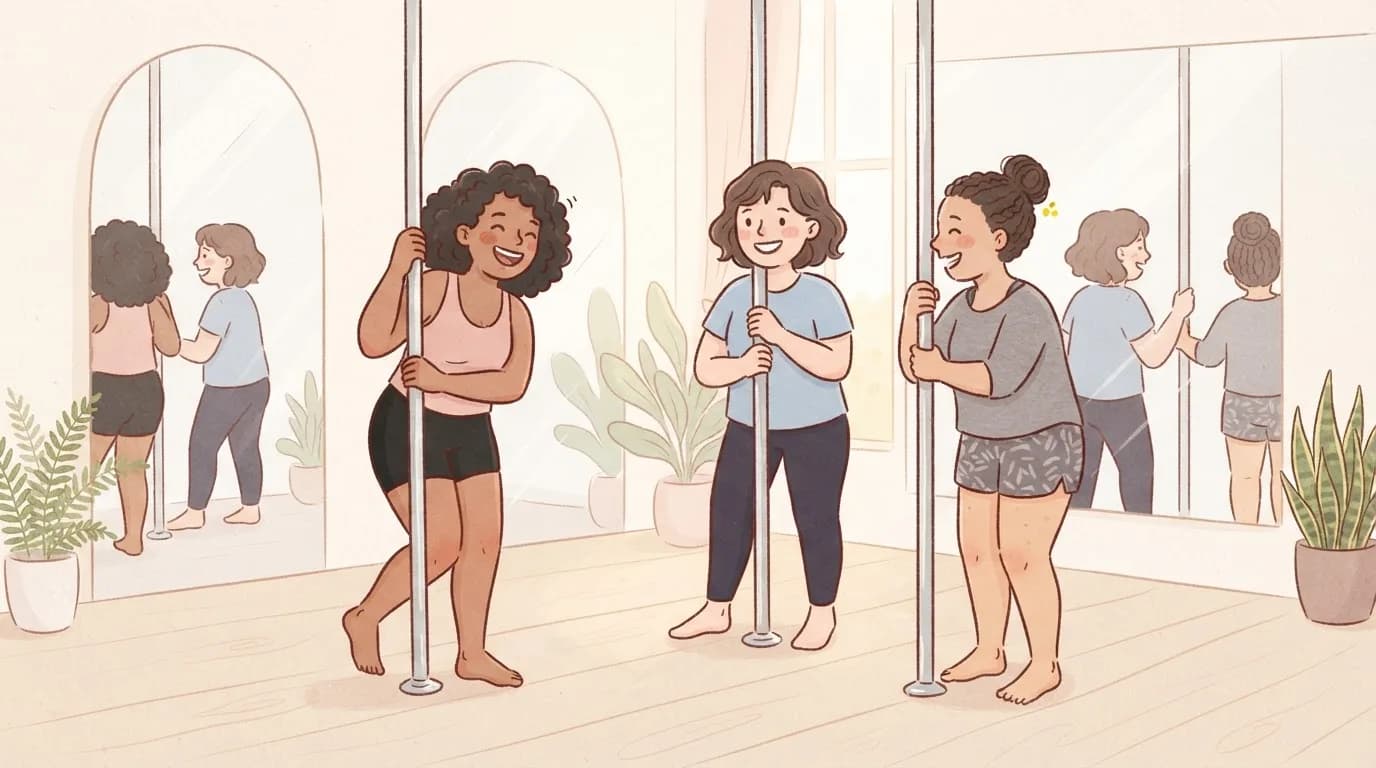
The short version
- Achy forearms a day or two after class, bruises and a weak grip are normal in your first month of pole.
- Sharp pain in one spot, pain during a move, swelling, or numbness and tingling are signs to ease off and get advice.
- One or two classes a week with a day between them gives your wrists time to adapt, because tendons adapt more slowly than muscles.
- Skip moisturiser on class days, use your whole hand and your body, and don't death-grip the pole.
- Warm up your wrists before every class and add new classes one at a time.
In your first month of pole it's normal for your forearms and hands to feel tired and achy a day or two after class, for your skin to get a few bruises and pinches, and for your grip to feel unreliable. It isn't normal to have sharp pain in one spot of your wrist, pain during a move, swelling, or numbness and tingling in your hand. Start with one or two classes a week, warm up your wrists before every class, and give your grip time to catch up with your enthusiasm.
I've taught a lot of first classes, and wrists come up in nearly every beginner group. This is what I'd tell you over a cup of tea before your first month.
Why do your wrists and forearms ache after your first pole classes?
Almost nothing in daily life asks you to hang your body weight from your hands. In your first classes you grip the pole for walks, spins and holds, and the muscles that close your hand, which live in your forearm, work harder than they ever have. Those muscles pull on tendons that cross the wrist, so the whole area can feel tired and tender afterwards.
That kind of ache is usually delayed muscle soreness, which tends to appear a day or two after training, spreads across the forearm, and fades within a few days (Cleveland Clinic). It's a sign you've worked hard, and it usually gets milder each week as your body adapts.
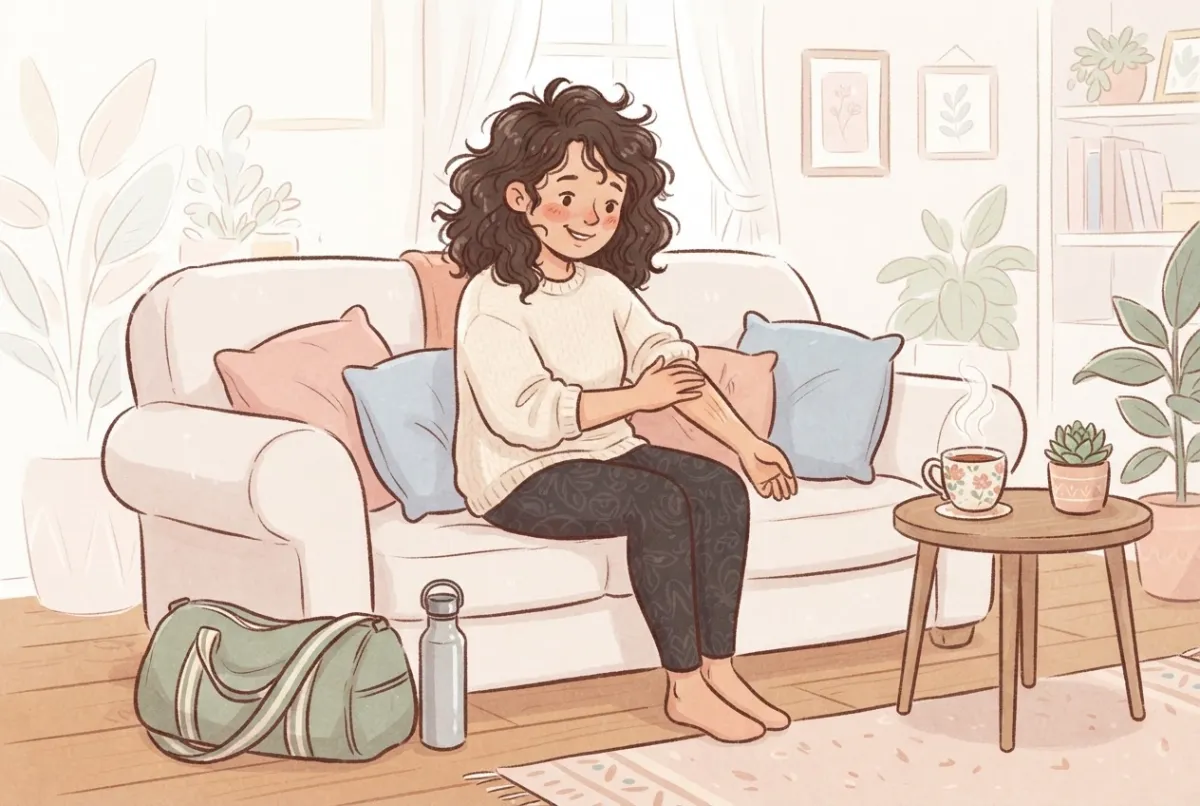
What's normal soreness and what's pain you should listen to?
| Usually normal in month one | Not normal, so ease off and get advice |
|---|---|
| Achy, tired forearms a day or two after class | Sharp pain in one spot of the wrist |
| Hands that feel weak at the end of class | Pain that starts during a move and stays |
| Bruises on the inner arms, legs and ribs | Swelling, or pain after a slip or fall onto your hand |
| Skin that feels pinched or rubbed | Numbness, tingling or pins and needles in the hand |
| Soreness that improves as you warm up | Pain that gets worse class after class, or wakes you at night |
Bruises, often called pole kisses, are part of learning for most people and usually fade within a week or two. If anything from the right-hand column shows up, stop the moves that hurt, tell your teacher, and see a doctor or physio if it doesn't settle. The NHS advice on wrist pain is a helpful reference, and our full guide to wrist pain from pole dancing explains the different pain patterns.
What does a typical first month look like for your wrists?
Every studio has its own syllabus, so take this as a rough picture rather than a timetable.
Week 1
Walks, basic spins and a lot of holding on. Expect your forearms to feel it the next day, and expect your grip to feel like it isn't there. That's because you haven't learned yet where to put your hands and how much to squeeze.
Week 2
More spins and maybe your first climb practice or pole sit. Your skin starts to get used to the pole, and you might notice the soreness after class is a little milder than in week one.
Weeks 3 and 4
Many studios start invert preparation and floorwork around now. That's new load for the wrists, because you'll push into the floor or the pole with your wrist bent back. Take your time with these and listen to your wrists more than to the clock.
How do you get a better grip on the pole?
- Skip hand cream and body lotion on class days. Moisturiser on your palms, arms or legs makes everything slide.
- Clean your hands before you start, and clean the pole as your studio shows you.
- Try a grip aid if your hands are very dry or very sweaty, but ask your studio first, as some have rules about what you can use.
- Use the whole hand. Wrap your fingers and thumb properly and hold with the whole palm, so the load spreads.
- Use your body, not only your hands. Skin contact, leg hooks and engaged shoulders all take load off your grip.
- Don't strangle the pole. A death grip tires your forearms within minutes. Squeeze as much as the move needs and no more.
- Take off rings and bracelets. They scratch the pole, they hurt when they get pressed into your skin, and they can catch.
How often should a beginner do pole?
One or two classes a week is a good start for most people, with at least a day between them. Your muscles adapt within weeks, but tendons and ligaments take months to catch up (Mersmann and colleagues, 2017), so jumping to four or five classes in your first month is how many beginners end up with sore wrists. If you want to add a class, add one and wait a couple of weeks before adding another.
On days off, a bit of gentle movement and some light grip and wrist work help more than total rest. Our six-week wrist conditioning plan starts gently enough for beginners.
How should you warm up your wrists as a beginner?
Most classes include a general warm-up, but it's worth arriving a few minutes early to do your wrists properly. Circles, gentle rocking on your hands on the floor and a few easy lean-back holds on the pole are enough. Our 10-minute wrist warm-up for pole gives you the full routine, and in winter read our tips for training in a cold studio.
Masha's tip: When you're new, everyone around you seems to be doing more, and it's tempting to keep up. Do both sides, stop when your grip goes, and don't try the move one extra time because the class next to you is still going. Your wrists will thank you in month three.
What should you bring to your first pole classes?
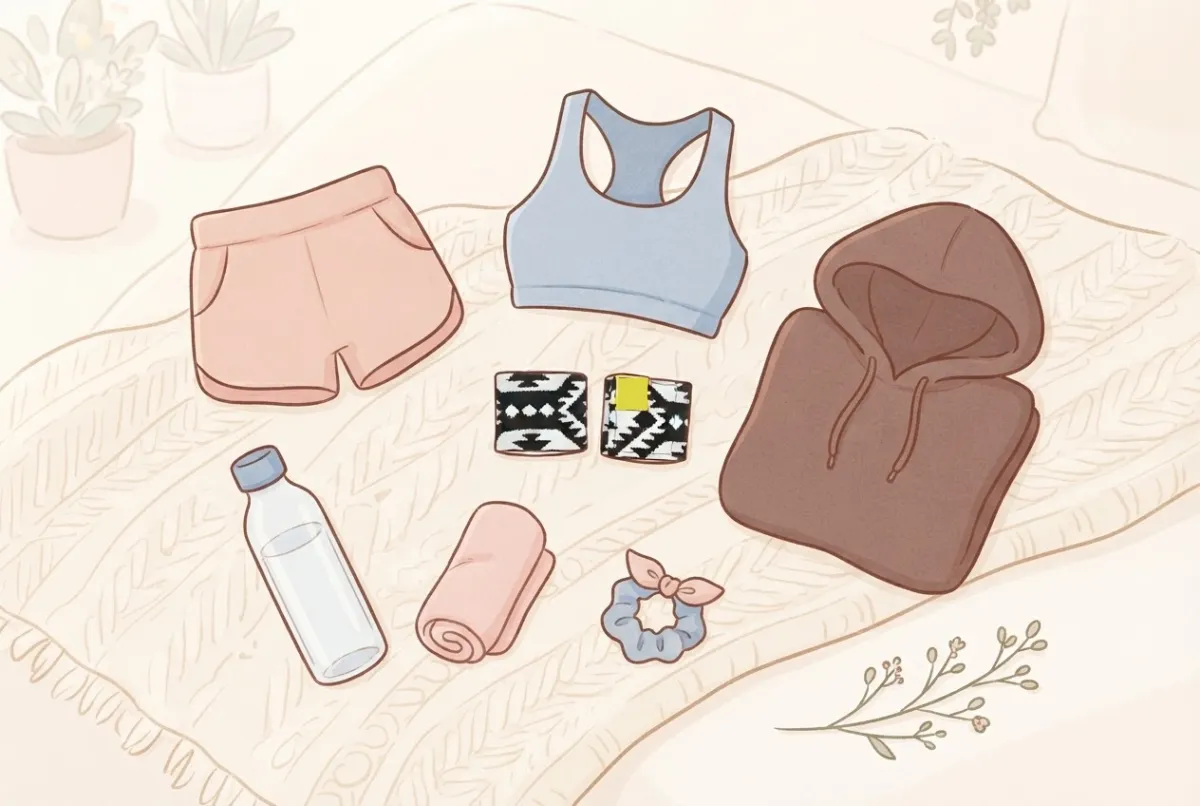
- Shorts and a top that shows some skin. Your arms and legs need to touch the pole to grip, so leggings and long sleeves make many moves harder. My guide to what to wear to your first pole class goes into clothes, shoes and what to skip on the day.
- A layer for the warm-up, such as a hoodie, leg warmers or a waist warmer, which you take off when you start pole work.
- Water and a small towel.
- A hair tie, so your hair doesn't get trapped between you and the pole.
- Grip aid, if your studio allows it and your hands need it.
- Wrist wraps, if you'd like a bit of support and warmth. Many beginners like them for the grip-heavy parts of class, because the first weeks ask a lot of the wrists. Our guide to choosing and wearing wrist wraps for pole explains how to pick a pair, and measuring your wrist takes a minute.
More guides for your first months of pole
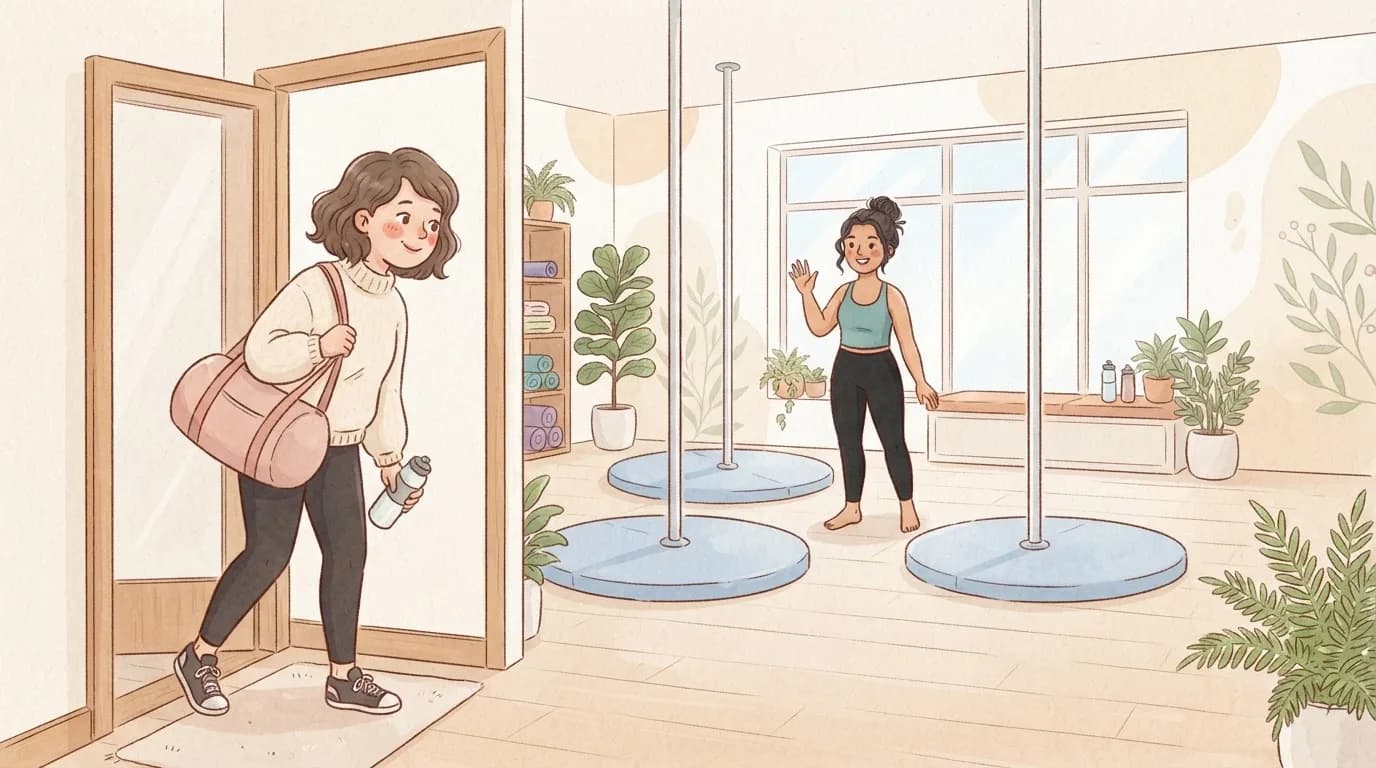
If you haven't booked yet, it's worth taking your time over where you learn, because a good studio builds up your grip and your wrists gradually. My guide on how to choose a pole studio covers the instructors, the warm-up, crash mats and the questions to ask before you book. If you're wondering whether you've left it too late, I've also written a kind, practical guide to starting pole dancing after 40 that looks after your joints from the very first class.
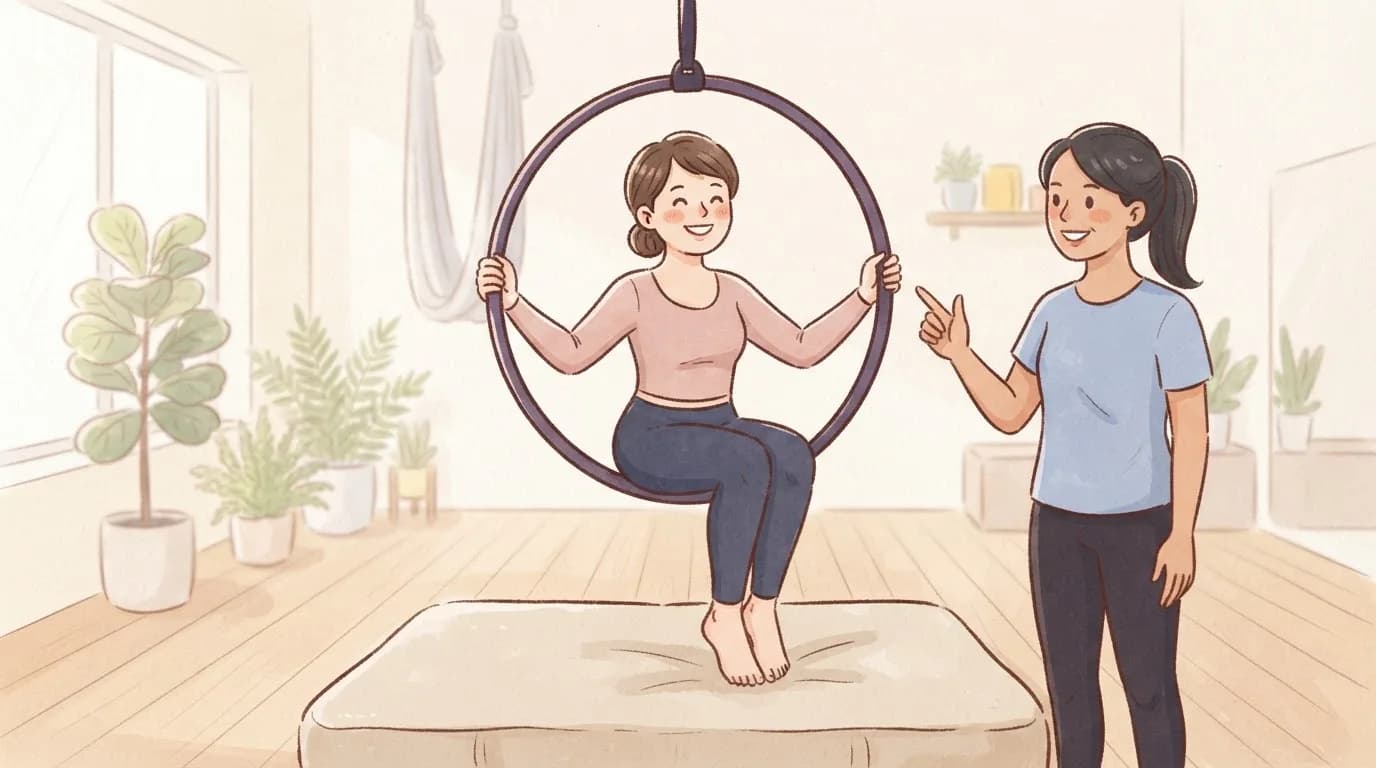
Plenty of people try the hoop alongside pole, and the first month in the air is a little different for your hands, with more hanging, tender palms and new calluses. My guide to aerial hoop for beginners walks you through those first weeks.
If you teach or run a studio, my guide to wrist wraps for pole studios covers sizing a whole class and keeping shared kit hygienic. And if someone you love has just caught the pole bug, my list of gift ideas for pole dancers sticks to the things people actually use in class.
Should you start pole with friends?
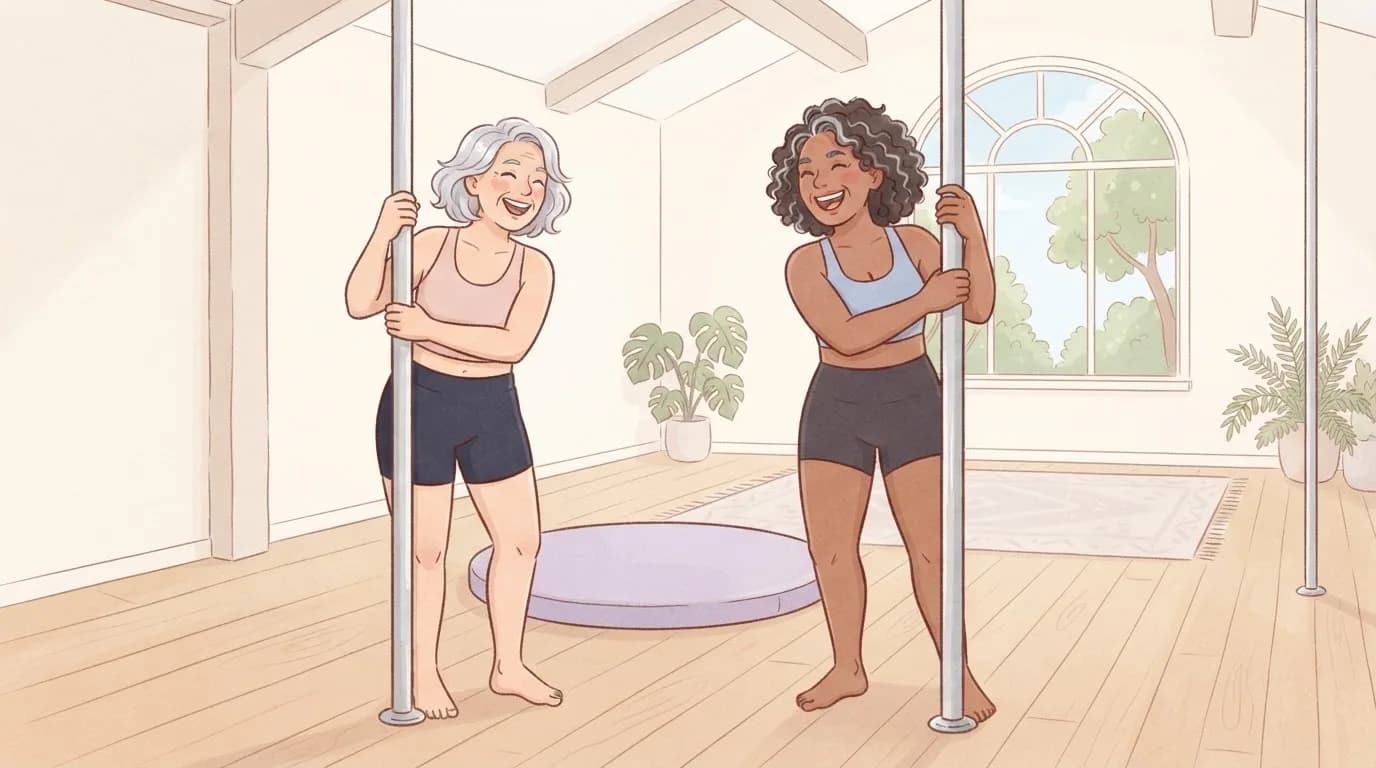
If you can, yes. Starting with a friend makes the awkward first classes easier, someone else understands why you can't open a jar the day after class, and you're more likely to keep going when someone's expecting you. It also helps to have someone to compare bruises with.
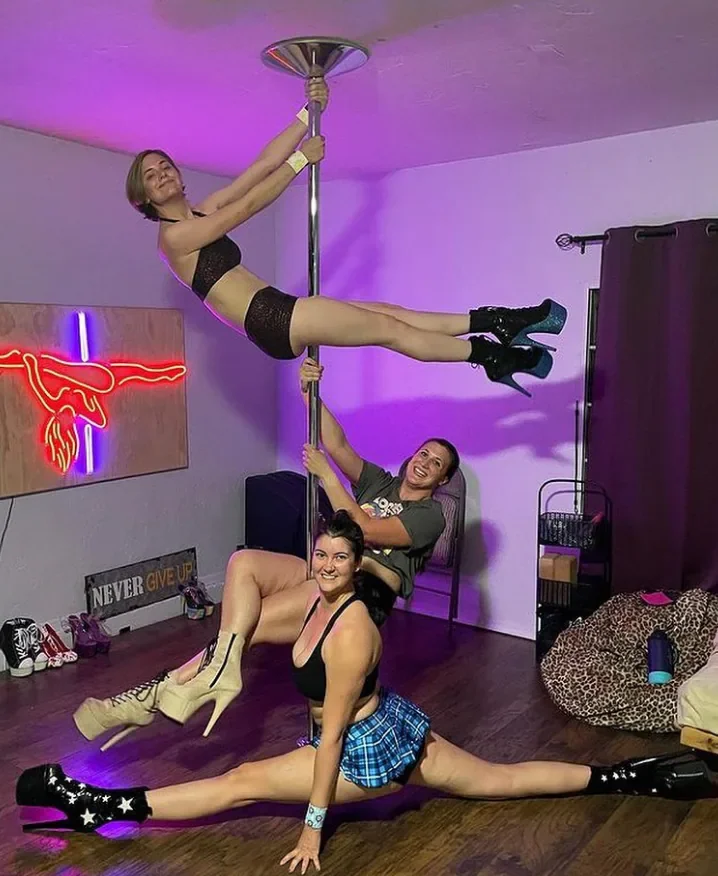
If a few of you are starting together and all want wraps, our group buy lets each of you pick your own design and size through one shared link. Everything arrives in one parcel, and the discount grows with the number of pairs. My guide to organising a group order for your pole class walks you through it step by step.
Everything in this guide
- Aerial Hoop for Beginners: Your Hands and Wrists in the First MonthSore palms, tired forearms and a grip that gives out early are all part of your first month on the hoop. Here's what's normal, what isn't, and how to help your hands keep up.
- How to Choose a Pole Studio: What to Look For Before You BookThe right pole studio makes your first year safer and a lot more fun. Here's what to look for, the questions to ask before you book, and the red flags to walk away from.
- Starting Pole Dancing After 40: A Kind, Practical Guide for Your JointsIt's never too late to start pole. This guide shows you how to look after your wrists, shoulders and joints, warm up well and recover kindly so you can keep coming back.
- Wrist Wraps for Pole Studios: A Guide for Studio Owners and InstructorsA practical guide for pole studio owners and instructors on recommending wrist wraps, measuring a whole class, ordering together and keeping shared kit hygienic.
- Gift Ideas for Pole Dancers and Aerialists They'll Actually UseUseful presents for the pole dancer or aerialist in your life, for birthdays, Christmas and Valentine's, from one-off wrist wraps to a class pack at their own studio.
- How to Organise a Group Order of Wrist Wraps for Your Pole ClassOne link, everyone picks their own wraps, one parcel arrives and the discount grows with the group, so here's how to run a group order for your class without the chaos.
- What to Wear to Your First Pole Class (and What to Bring)Shorts, bare skin, no moisturiser and a bottle of water will get you through your first pole class, and here's everything else worth knowing before you walk in.
Questions people ask
Is it normal for my wrists to hurt after my first pole class?
Tired, achy forearms and wrists a day or two after your first classes are very common and usually fade within a few days. Sharp pain in one spot, swelling, or pain that gets worse from class to class is not normal and is worth getting checked.
Does pole dancing get less painful?
Yes, for most people. Your grip gets stronger, your skin gets used to the pole and you learn to use your body instead of only your hands, so soreness and bruising usually ease over the first months.
How many times a week should a pole beginner train?
One or two classes a week with at least a day in between is a good start. Add more one at a time once your body has adapted.
What should I wear to my first pole class?
Shorts and a top that leaves your arms bare, because skin contact is what grips the pole. Bring a warm layer for the warm-up, water, a hair tie and no jewellery.
Why can't I grip the pole as a beginner?
Grip is a skill as well as a strength. Moisturiser, sweaty or very dry hands and a cold room all make it harder, and so does squeezing with only your fingers. Clean, dry hands, using your whole palm and plenty of practice make a big difference.
Shop the fix
Wraps made for exactly this
Handmade in Slovenia by a pole teacher, with firm compression that sits low on the wrist.
Sources we checked
Written by
Masha Pinner
Pole dance teacher at Pandora Art of Pole in Slovenia and former fashion designer. Masha started SneakyDeez in 2017 after years of teaching on sore wrists, and she still designs every pair.
Read Masha’s story