The short version
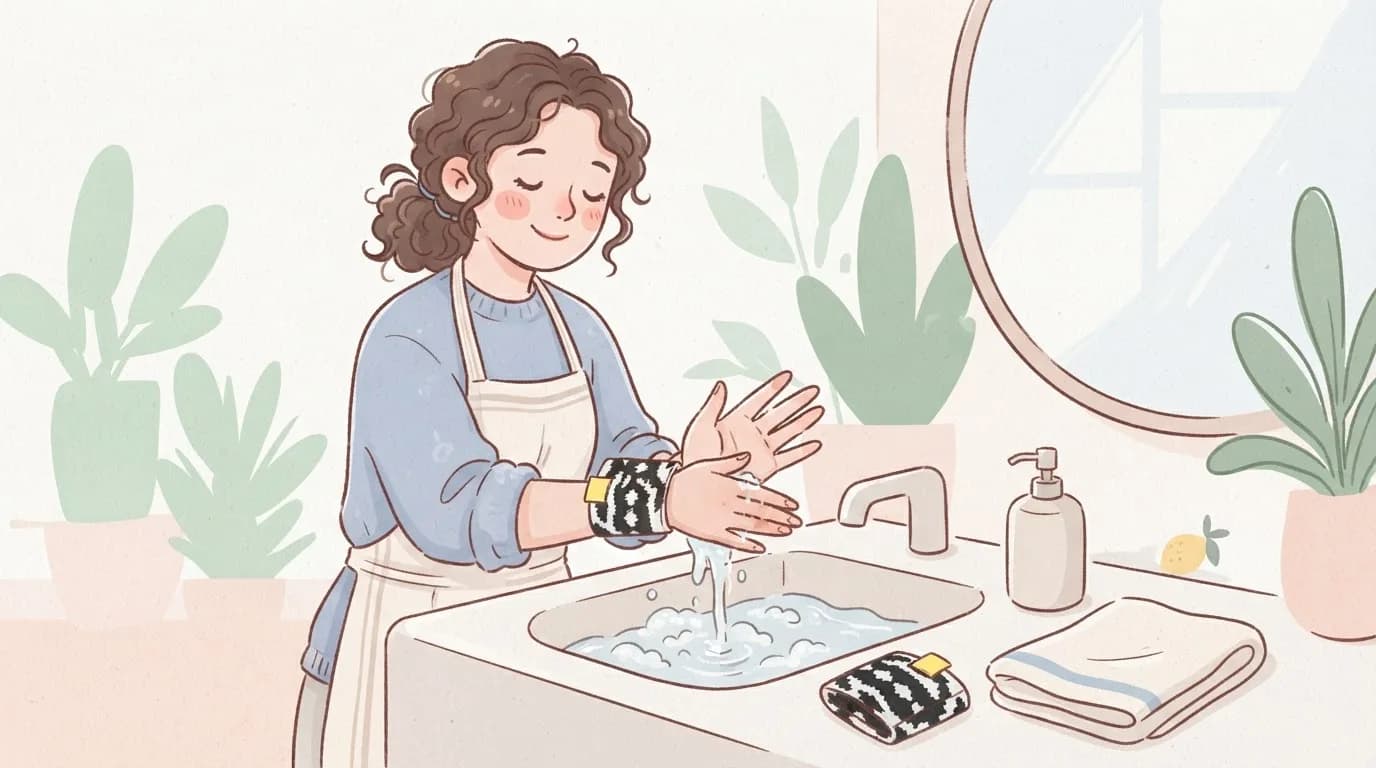
- Hand wash fabric wrist wraps in cool or lukewarm water with a little mild detergent, with the fastening closed.
- Squeeze the water out gently, roll the wraps in a towel and dry them flat away from radiators and direct sun.
- Skip bleach, fabric softener, hot water, ironing and the tumble dryer, because heat and harsh products wear elastic out.
- Wash them after sweaty sessions and take them out of your gym bag as soon as you get home so they never sit damp.
- Replace a pair when the elastic no longer feels snug, the fabric is thin or baggy, or the fastening won't hold.
To wash fabric wrist wraps, close the Velcro fastening, soak them in a basin of cool or lukewarm water with a little mild detergent, rinse well, gently squeeze the water out without wringing, and let them dry flat away from radiators and direct sun. Skip bleach, fabric softener, hot water and the tumble dryer, because heat and harsh products are what wear stretchy elastic out. Wash them after sweaty sessions, and always check the care label of your own pair first.
A good pair of wraps should last you a long time, and how you wash them makes more difference than most people think. Everything below is general care for stretchy fabric wraps, and for SneakyDeez our product pages say hand wash only and air dry, which is the routine this guide follows.
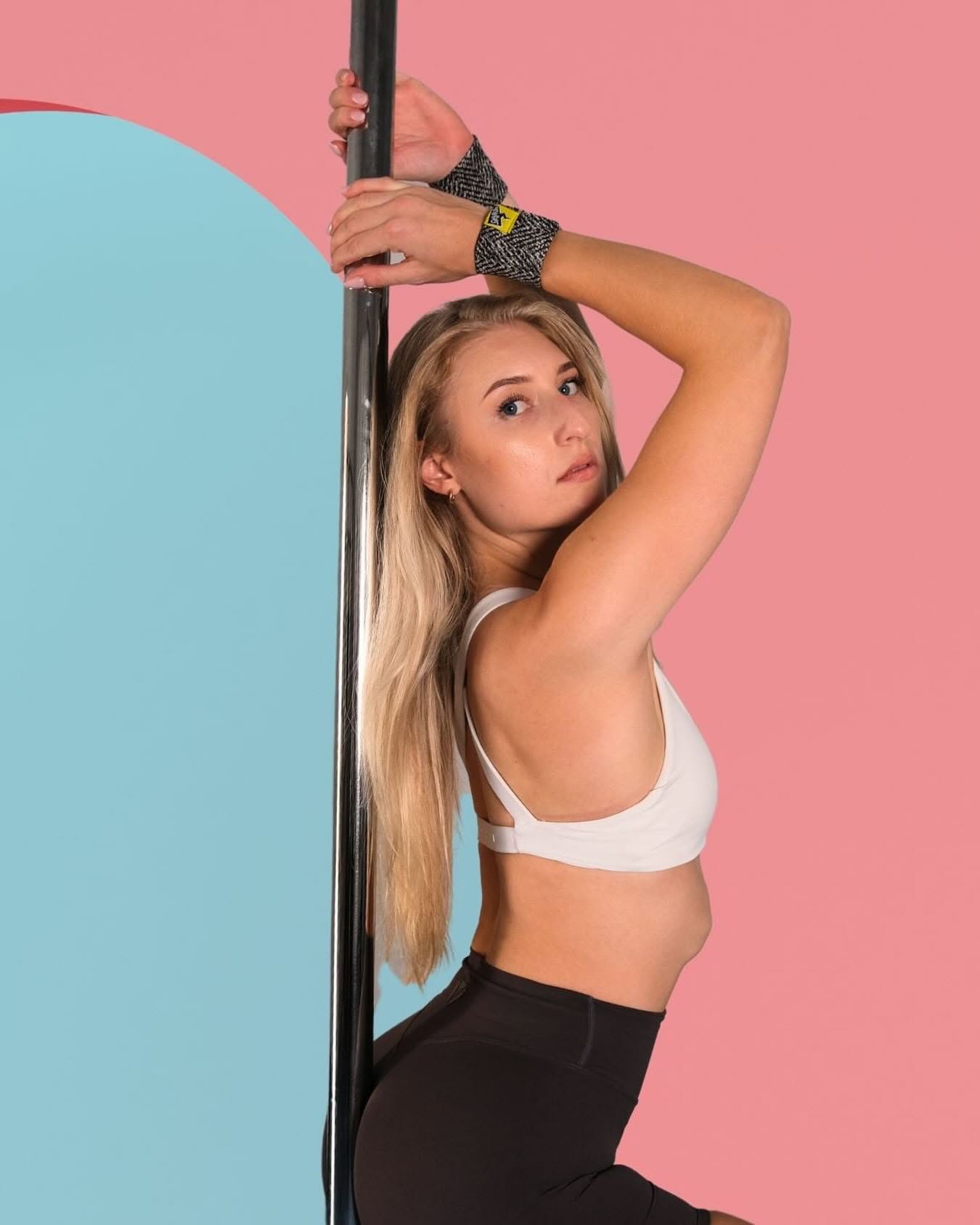
Can you put wrist wraps in the washing machine?
It depends on the wraps, so the care label is the first thing to check. Ours are hand wash only, and that's what I'd recommend for any wrap that relies on firm elastic, because hot water and a long, fast spin are hard on stretchy fibres. The textile care organisation GINETEX advises washing elastane at no more than 40°C to keep its elastic qualities (clevercare.info), and hand washing lets you stay well below that.
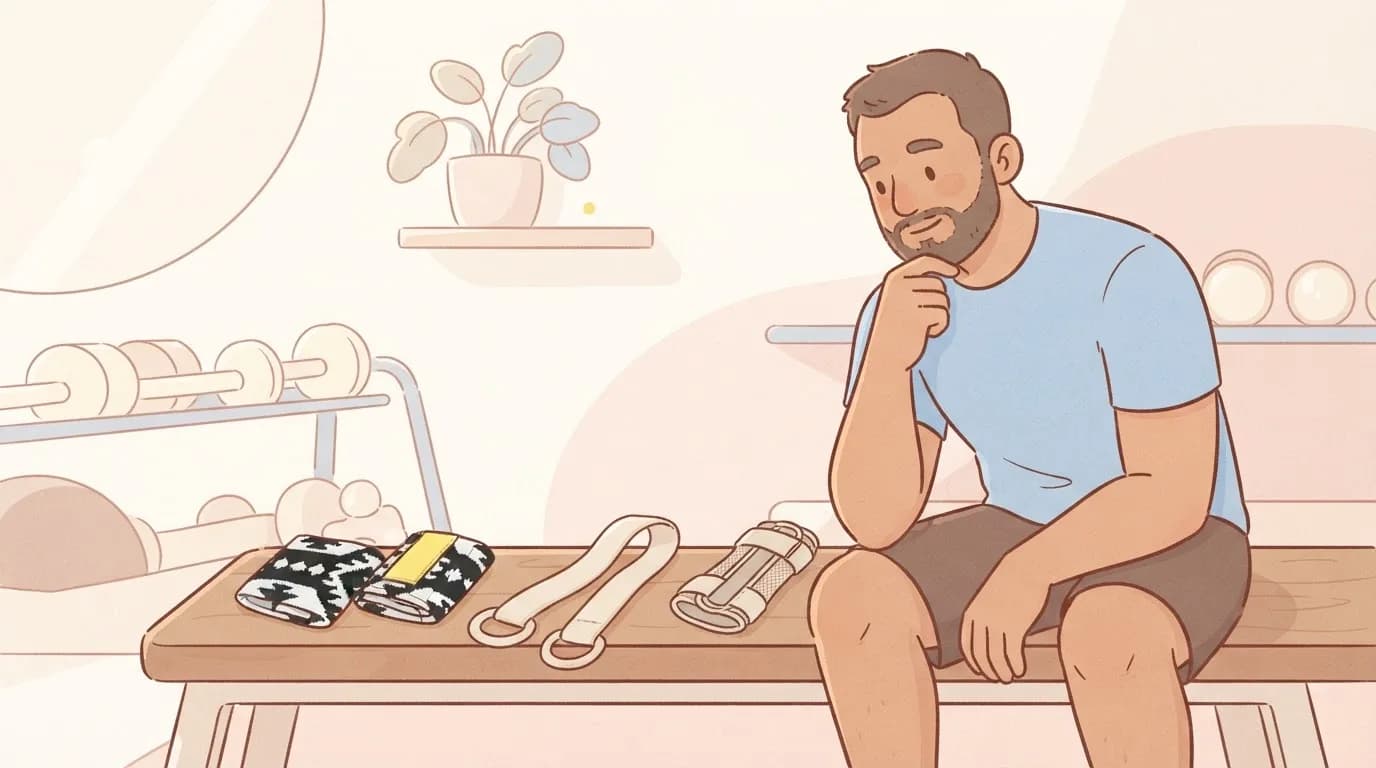
If your own wraps are labelled as machine washable, follow the label, and a cool, gentle cycle with the wraps inside a mesh laundry bag and the fastening closed will be kinder to them. Weightlifting wraps with thick cotton straps and thumb loops often have different care instructions from stretchy compression wraps, so don't assume one rule fits every kind. If you're not sure which kind you have, my guide to the different types of wrist support shows them side by side.
How do you hand wash wrist wraps, step by step?
It takes a few minutes of actual work, and most of it is just waiting while they soak.
- Close the Velcro fastening. An open fastening can catch on the fabric and pull threads, so close it before the wraps go in the water.
- Fill a clean basin with cool or lukewarm water. It should feel comfortable on your hands and never hot.
- Add a little mild detergent. A small squirt of a gentle liquid detergent or one made for hand washing or delicates is plenty, and swish it in before the wraps go in.
- Soak them. Push the wraps under so they're fully wet and leave them for a while. GINETEX's hand washing advice suggests around 30 minutes is enough for a hand wash (clevercare.info), and there's no need to leave them overnight.
- Gently work the dirty spots. Squeeze the wraps through the water a few times and rub the inside, where sweat and grip aid collect, softly between your fingers. Avoid scrubbing hard or stretching the elastic.
- Rinse well. Empty the basin and rinse in clean, cool water until no more suds come out, because leftover detergent can leave fabric feeling stiff and sticky.
- Squeeze, don't wring. Press the water out gently between your palms, without twisting, since twisting can stretch the fabric out of shape.
- Roll them in a towel. Lay them flat on a clean towel, roll it up and press down to soak up most of the water.
Masha's tip: Keep a small bottle of gentle detergent by the bathroom sink and wash your wraps the same evening you train. It becomes a two-minute habit, and they'll be dry and fresh by your next class.
How do you dry wrist wraps?
Lay them flat on a dry towel or a drying rack in a room with some air moving, away from radiators, heaters and strong direct sun. Heat is hard on elastic, and strong sunlight can fade colours, so a shady spot is best. Stretchy fabric like elastane dries quickly once the extra water has been pressed out, and the textile care advice from GINETEX is never to put elastane in the tumble dryer (clevercare.info).
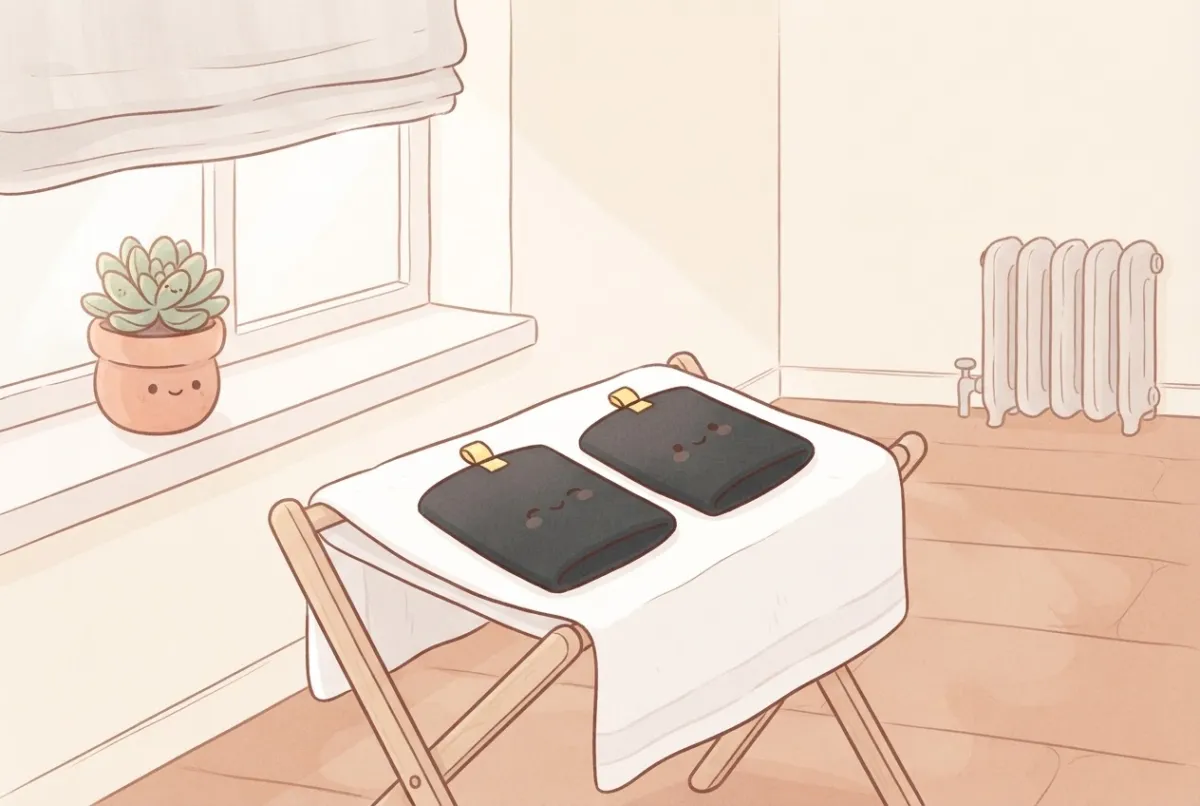
Make sure they're completely dry before you wear them or pack them away, because damp fabric in a closed bag is how wraps start to smell.
What should you avoid when washing wrist wraps?
- Bleach. It's harsh on stretchy fibres and on coloured or printed fabric, and wraps never need it.
- Fabric softener. Wraps don't need softening, and you don't want anything left on the fabric that changes how it feels and grips your wrist.
- Hot water. Keep the water cool or lukewarm.
- The tumble dryer, radiators and heaters. Drying them fast with heat is the quickest way to tired, baggy elastic.
- Wringing and twisting. Squeeze and press instead.
- Ironing. Your wraps don't need it, and a hot iron and stretchy fabric don't mix.
How often should you wash wrist wraps?
Wash them after any session where you got properly sweaty, or when grip aid, chalk or skin products have rubbed onto them. If you wore them for a gentle class and they're still fresh, it's fine to air them out instead and wash them after the next one.
The habit that matters most is taking them out of your bag as soon as you get home. Wraps left balled up and damp in a gym bag are the ones that start to smell, and opening them out to air while you unpack fixes most of that. If you train most days, a second pair to swap with makes this much easier, because one pair can dry while you wear the other.
How do you get rid of a smell in wrist wraps?
Most smells come from sweat that's been left in the fabric too long. Give them a longer soak in cool water with a little mild detergent, work the inside gently, rinse really well and dry them fully in a spot with plenty of air. Avoid covering the smell with perfumed softener or spray, because it builds up on the fabric without getting it clean. If a smell keeps coming back even after a careful wash, the fabric may be at the end of its life.
How do you store wrist wraps?
Keep them clean, dry and flat or loosely rolled, with the fastening closed so it doesn't catch on anything else in your drawer or bag. Don't store them stretched around anything, and keep them away from heat, such as a sunny windowsill, a radiator shelf or a hot car. A small pouch in your training bag keeps them together and stops grip aid from other things getting on them.
When should you replace your wrist wraps?
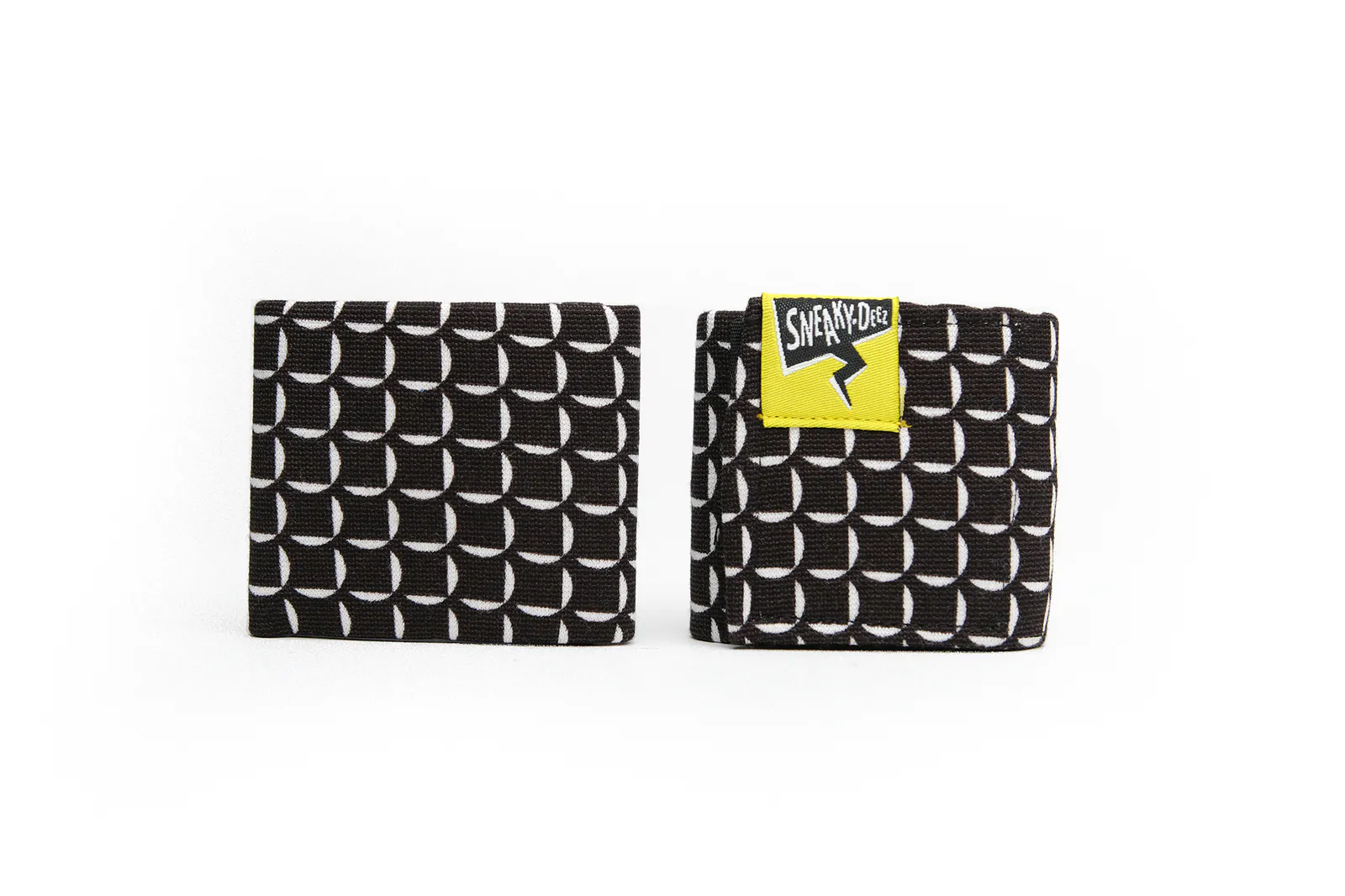
There's no fixed date, because it depends on how often you train and how you look after them. These are the signs that a pair has done its job:
- The elastic feels loose, and the wrap no longer feels snug when you fasten it the way you always have.
- The fabric has gone thin, shiny or baggy, or there are holes or loose seams.
- The fastening doesn't hold properly anymore and comes open while you train.
- A smell keeps coming back even after a careful wash.
If a wrap suddenly feels too tight or too loose, it's also worth measuring your wrist again before you blame the wrap. My guide on how to measure your wrist size shows how to do it properly, and how to wear wrist wraps properly covers where they should sit and how tight they should feel.
Every SneakyDeez pair is made by hand from upcycled designer fabric, so a pair that lasts is the whole point, and you can read how our wraps are made if you're curious where the fabric comes from. If you train pole, the guide to wrist wraps for pole explains how grip aid and wraps get along.
More in Wrist supports & wraps
- Types of Wrist Support: Wraps, Sleeves, Braces, Splints and Tape Compared
- Wrist Wraps vs Straps vs Braces: Which One Do You Actually Need?
- How to Measure Your Wrist Size for Wrist Wraps (With Size Chart)
- Upcycled Fabric: How SneakyDeez Wrist Wraps Are Made
- What Is a Wrist Brace, and When Do You Actually Need One?
- Wrist Compression for Support and Recovery: What It Does and What It Doesn't
- The Best Gymnastics Wrist Supports: What Gymnasts, Calisthenics Athletes and Pole Dancers Use
- When Should You Wear Wrist Support? A Simple Decision Guide
Questions people ask
Can I put SneakyDeez wraps in the washing machine?
No, our product pages say hand wash only and air dry, because that keeps the elastic firm for longer. For other brands, follow the care label on your pair.
What detergent should I use for wrist wraps?
A small amount of a mild liquid detergent, or one made for hand washing or delicates. Leave out bleach and fabric softener.
How long do wrist wraps take to dry?
Stretchy fabric dries fairly quickly once you've pressed the water out in a towel and laid it flat somewhere airy. Don't speed it up on a radiator or in the dryer.
Why do my wrist wraps smell even after washing?
Usually because sweat sat in them for too long, or because they weren't completely dry before going back in your bag. Try a longer soak, a very thorough rinse and drying them fully, and replace them if the smell keeps coming back.
How long do wrist wraps last?
It depends on how often you train and how you care for them, so there's no fixed lifespan. Replace them when the elastic feels loose, the fabric goes thin or baggy, or the fastening stops holding.
Shop the fix
Wraps made for exactly this
Handmade in Slovenia by a pole teacher, with firm compression that sits low on the wrist.
Sources we checked

Written by
Masha Pinner
Pole dance teacher at Pandora Art of Pole in Slovenia and former fashion designer. Masha started SneakyDeez in 2017 after years of teaching on sore wrists, and she still designs every pair.
Read Masha’s story