The short version
- Wrist support helps most when healthy wrists take heavy or repeated load, like handstands, pole, push-ups, yoga and heavy presses.
- Support is the wrong tool for a fresh injury, sharp worsening pain, numbness or a technique problem.
- A flexible wrap doesn't switch off your wrist muscles, but relying on support without doing any strength work can leave you not trusting your wrists.
- Warm up first, wear support for the hardest part of training, and keep up wrist strengthening two or three times a week.
- See a GP or physio if wrist pain hasn't improved after about two weeks, or straight away after a fall with swelling or deformity.
Wrist support is most useful when a healthy wrist is working hard: taking your body weight on bent wrists in handstands, pole, push-ups or yoga, pressing something heavy, or getting through a long session when your wrists usually start to ache. It's much less useful, and sometimes a bad idea, when you're using it to cover up fresh pain, an injury that hasn't been checked, or a technique problem that a support can't fix.
So the honest answer to "should I wear wrist support?" is that it depends on why your wrist feels the way it does. This guide is the decision process I'd walk you through if you came up to me after class holding your wrist and asking.
When does wrist support actually help?
When you put body weight through bent wrists
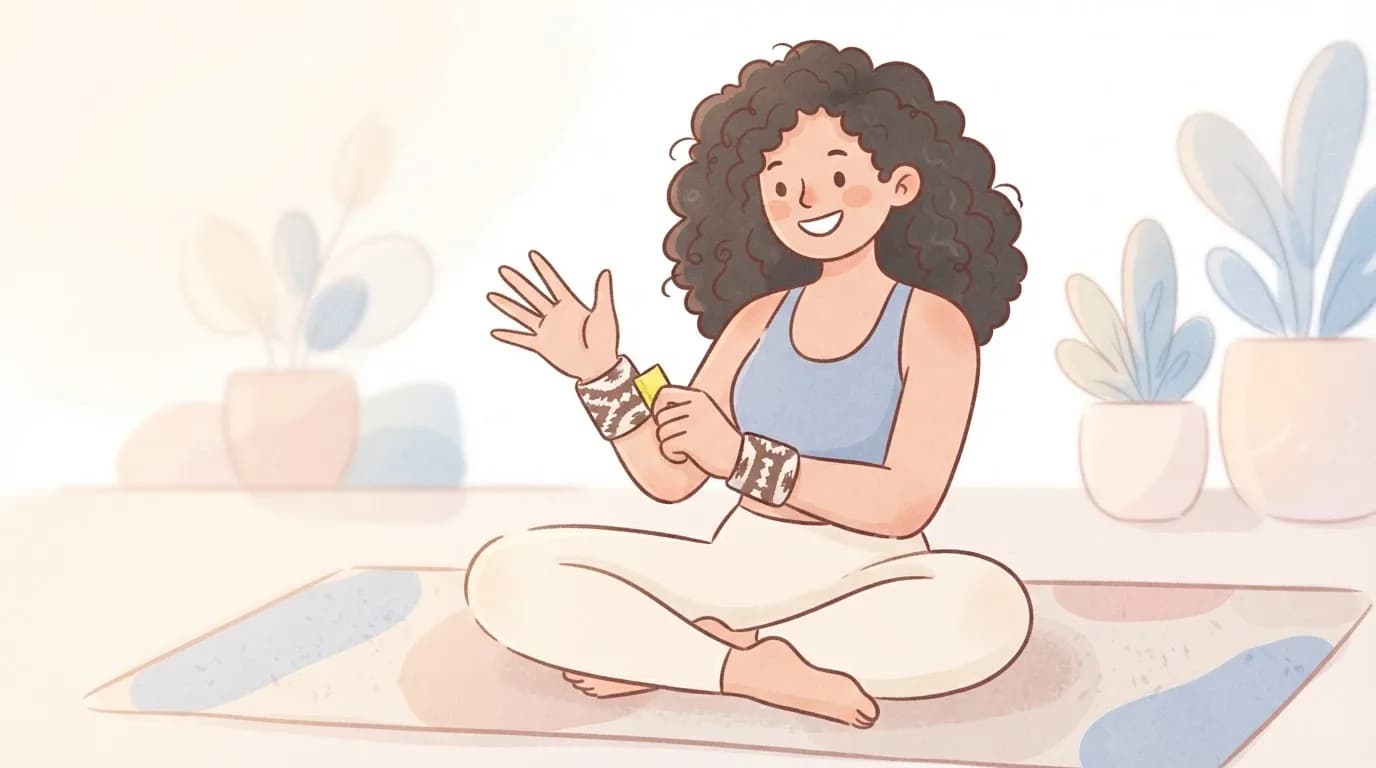
Handstands, crow, plank, push-ups, downward dog, pole climbs and inverts all load the wrist while it's bent back a long way. That position is where most people feel it first. A flexible compression wrap gives the joint a firm, held feeling and some warmth while still letting it bend fully, which is why so many pole dancers, yogis and calisthenics people wear one for these parts of training.

When you lift heavy
On a heavy bench press or overhead press, the bar can pull the wrist backwards. Stiff lifting wraps on your heaviest sets help keep the wrist stacked under the bar. On lighter sets you usually don't need them, and leaving them off lets your forearms do their share of the work. There's a full breakdown in wrist support when lifting weights.
When your wrists ache towards the end of long sessions
If your wrists are fine in the first half hour and start nagging by the end, or by the third class of the week, a support can make those sessions more comfortable. I've been there myself, teaching several classes a day, and that's the situation I designed SneakyDeez for.
When you're easing back into training
If a minor strain has settled and you've been cleared to train, or you're coming back after a long break, a wrap can give you a bit of confidence while you build back up. It's a stepping stone, though, and the plan should be to need it less as your strength comes back.
When the studio is cold
Cold, stiff wrists feel worse under load, and a wrap or sleeve adds a little warmth. It works best alongside a proper warm-up, which I describe in warming up wrists and lower back in a cold studio.
When won't a wrist support help?
- After a fall or a sudden injury. If you landed on your hand and it's swollen, bruised or painful to move, it needs checking, and a sports wrap is not the tool for that.
- When the pain is sharp, in one spot, and getting worse. Support might dull it a little, but that just makes it easier to keep doing whatever is irritating it.
- When the real problem is technique. Hands placed too narrow, fingers not pressing into the floor, or shoulders not stacked over the hands will load your wrists badly whatever you wear. Common push-up mistakes and handstand wrist pain are good places to check your setup.
- When it's your grip that fails. If the bar is slipping out of your hands on deadlifts, you want lifting straps, which help your grip, and a wrist wrap won't change anything.
- When you have numbness or pins and needles. That's a nerve symptom and deserves a proper assessment. A tight wrap can even make it worse.
A quick decision guide
| Your situation | Support? | What else to do |
|---|---|---|
| Healthy wrists, achy during weight-bearing training | Yes, a flexible wrap | Warm up, check your hand position, build wrist strength |
| Heavy barbell presses | Yes, stiff wraps on top sets | Leave them off for warm-up and lighter sets |
| Mild ache that settles within a day | Optional | Reduce volume for a week and see if it calms down |
| Pain after a fall, swelling or bruising | No sports wrap | Get it checked promptly |
| Numbness or tingling in the fingers | Not a training wrap | See a doctor, who may suggest a night splint |
| Pain lasting more than two weeks | Not as a fix | See a GP or physio for a diagnosis |
If you've decided support makes sense and you're not sure which kind, my comparison of the different types of wrist support lays out wraps, sleeves, braces and tape side by side, and what a wrist brace is explains when something more rigid is the better choice.
Can you become dependent on wrist support?
This is the question I'm asked most, and it's a fair worry. A flexible wrap doesn't stop your wrist and forearm muscles from working, because you're still moving through the full range and gripping normally. The real risk is a habit risk: if you only ever train with support and never do anything to make your wrists stronger, you may find you don't trust them without it.
A systematic review of wrist braces in gymnastics found some support for their protective use, and also noted reports of reduced proprioception, the body's sense of where the joint is, and effects on performance (Choo, Smith and Cook, The Sport Journal). That was about rigid gymnastics braces rather than elastic wraps, but the message carries over nicely. Support is something to use thoughtfully alongside training your wrists, and it shouldn't replace that training.
This is how I'd keep the balance:
- Warm your wrists up properly first, with circles, rocking on all fours and gentle loading, for 3 to 5 minutes. My wrist warm-up for pole and aerial takes about that long.
- Wear the support for the hard part, meaning the inverts, handstands, heavy sets or long holds, and feel free to take it off for stretching and floor work that doesn't load your hands.
- Do some wrist strengthening two or three times a week without support, starting light. My guide on how to strengthen your wrists has a simple routine.
- Every few weeks, try an easy session or a few easy moves without it and notice how your wrists feel. If they're improving, you might only need support for your heaviest days.
Masha's tip: I'd always rather you wore a wrap and kept training happily than skipped class because your wrists ached. Just keep doing your wrist conditioning alongside it, so the wrap stays a helper rather than the only thing holding you together.
What should wrist support feel like?
A good support feels firm and secure, like a hand holding your wrist, and your fingers should look and feel completely normal. If your hand tingles, goes cold, goes numb or changes colour, take it off and loosen it. You also shouldn't feel you have to clench to keep it in place, and with a wrap that sits low on the wrist your grip on the pole or bar stays exactly as it was. I go through placement, tightness and the usual mistakes step by step in how to wear wrist wraps properly.
Fit starts with the right size. SneakyDeez are sized by wrist circumference, with S and M kept in stock and XS and L sewn to your measurement, and if you're between sizes the smaller one gives firmer support. You'll find how to measure in my guide to measuring your wrist size.
When should you see a doctor or physio?
NHS musculoskeletal guidance suggests seeing a GP or physiotherapist if hand or wrist pain hasn't improved after about two weeks of looking after it at home, or if it keeps getting worse, and getting urgent help for severe pain, a snapping or popping sound at the time of injury, a wrist you can't move, or one that has changed shape (NHS MSK Dorset: Hand and wrist pain early management). I'd add pain that wakes you at night, numbness or tingling that doesn't go away, and a grip that's getting weaker. In any of those cases, a support can wait until you know what you're dealing with.
If your wrists are healthy and you just want them to feel better through training, a well-fitted wrap and a good warm-up are a lovely combination, and if your whole class feels the same way, you can all order together with a group buy.
More in Wrist supports & wraps
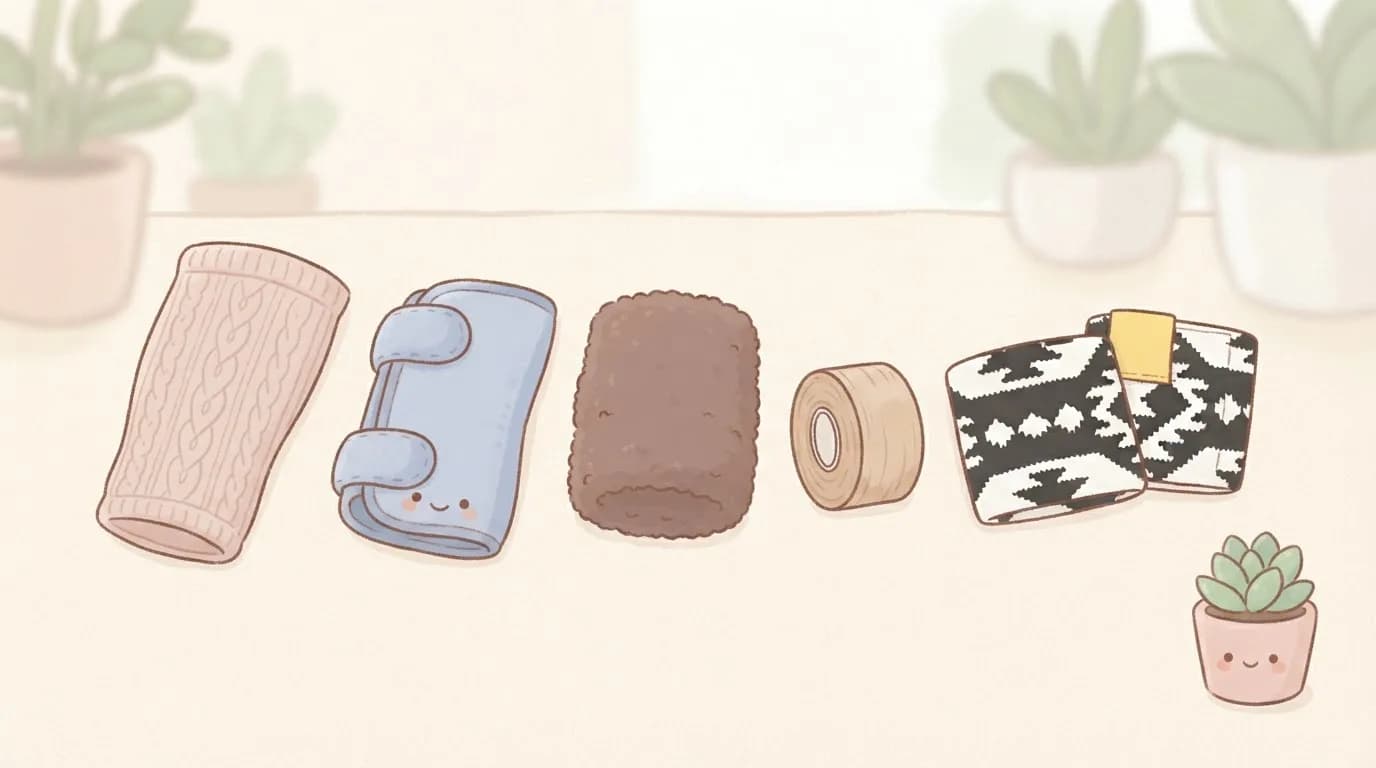
- Types of Wrist Support: Wraps, Sleeves, Braces, Splints and Tape Compared
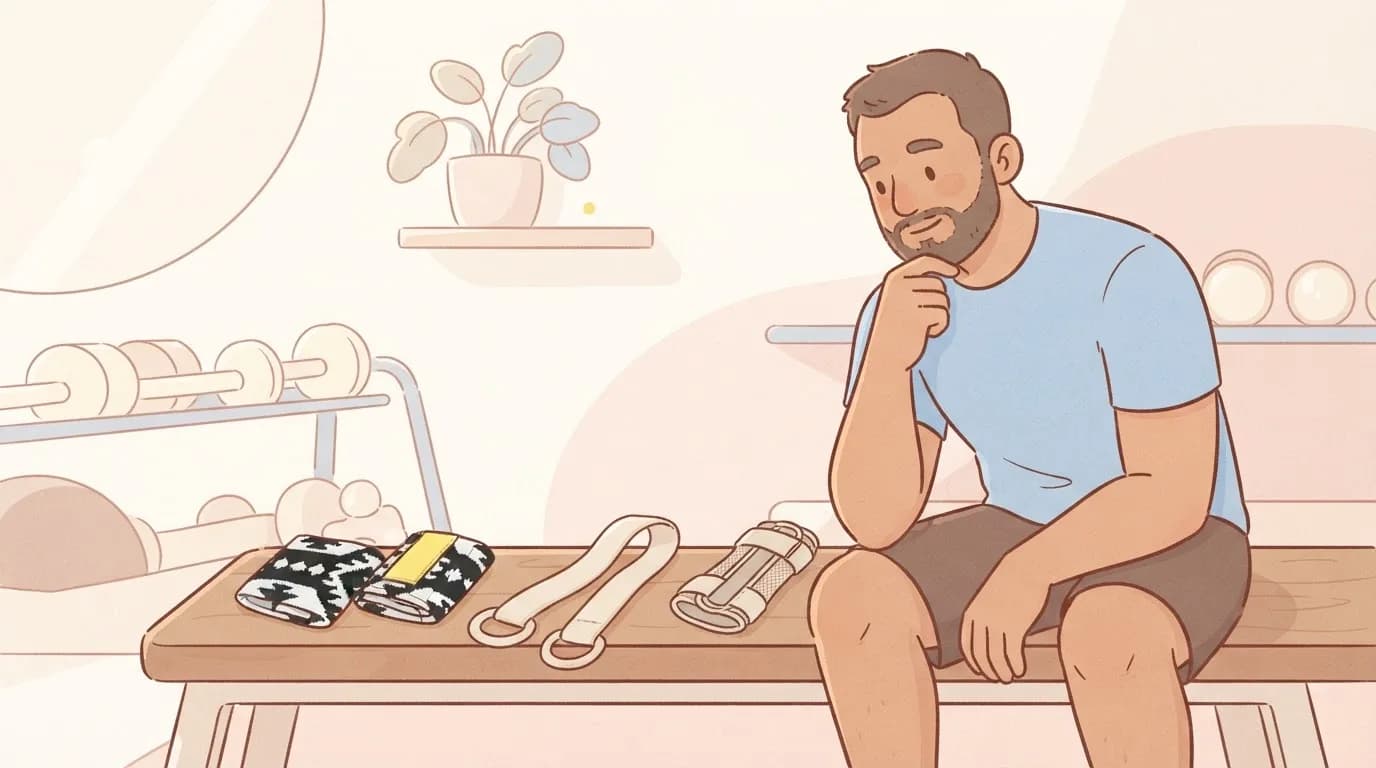
- Wrist Wraps vs Straps vs Braces: Which One Do You Actually Need?
- How to Measure Your Wrist Size for Wrist Wraps (With Size Chart)
- How to Wash Wrist Wraps So the Elastic Stays Firm
- Upcycled Fabric: How SneakyDeez Wrist Wraps Are Made
- What Is a Wrist Brace, and When Do You Actually Need One?
- Wrist Compression for Support and Recovery: What It Does and What It Doesn't
- The Best Gymnastics Wrist Supports: What Gymnasts, Calisthenics Athletes and Pole Dancers Use
Questions people ask
Should I wear wrist wraps for push-ups?
If your wrists ache in push-ups, a flexible wrap can make them more comfortable, but check your hand position first. Hands under the shoulders, fingers spread and pressing into the floor take a lot of strain off the wrist. Wrist-friendly options like push-ups on fists or on handles are worth trying too.
Is it bad to wear wrist support all the time?
Wearing a support for every minute of the day is usually unnecessary. It is better to use it for the activities that load your wrists and keep up regular strengthening so your wrists keep getting stronger on their own.
Should I wear wrist support during warm-up?
Most people do their wrist warm-up without a support so the joint moves freely, then put it on for the heavier part of the session. Some pole dancers prefer to keep wraps on throughout, which is fine if it feels good.
Can wrist support make a wrist injury worse?
A support itself rarely causes harm if it fits well, but it can make it easier to keep training through pain that should be checked. A support that is too tight can also cause numbness or tingling, so loosen it if that happens.
Do beginners need wrist support?
Not necessarily. Many beginners' wrists ache because they are not used to bearing weight yet, and that usually improves with a gradual build-up, a good warm-up and some conditioning. A wrap can make the first weeks more comfortable while that happens.
Wrist wraps or wrist straps, which do I need?
Wraps support the wrist joint when you push or bear weight. Straps loop around a bar to help your grip on heavy pulls like deadlifts. If your wrists ache, choose wraps, and if the bar slips out of your hands, choose straps.
Shop the fix
Wraps made for exactly this
Handmade in Slovenia by a pole teacher, with firm compression that sits low on the wrist.
Sources we checked
Written by
Masha Pinner
Pole dance teacher at Pandora Art of Pole in Slovenia and former fashion designer. Masha started SneakyDeez in 2017 after years of teaching on sore wrists, and she still designs every pair.
Read Masha’s story